

Website Security for Small Businesses: 2026 Essential Guide

August 25, 2026

Share this article

Website security for small businesses is a multi-layered defense system protecting your digital assets from unauthorized access, malware, and data breaches. It encompasses SSL encryption, robust firewalls, automated backups, and continuous software updates. Securing your site ensures customer trust, regulatory compliance, and uninterrupted business operations in an increasingly digital marketplace.

What is website security for small businesses?

Website security for small businesses is not a luxury; it is a foundational requirement for any company operating online today. In the simplest terms, it refers to the processes and tools used to prevent hackers, malicious software, and automated bots from compromising your website. For a small business owner, this means ensuring that your customer’s credit card information is safe, your company’s internal data remains private, and your website stays online and functional for every visitor.

In the South African context, where the Protection of Personal Information Act (POPIA) is in full effect, website security also has a legal dimension. If your website collects even basic information—like a name or email address via a Contact form—you are legally responsible for safeguarding that data. Proper security includes everything from the lock icon in the browser (SSL) to the invisible firewalls that block suspicious traffic from foreign IP addresses. It is a proactive approach to technology that prevents a disaster before it occurs.

Why do hackers target small websites?

One of the biggest misconceptions among entrepreneurs is the belief that their site is "too small to be hacked." The reality is that hackers rarely target a specific small business manually. Instead, they use sophisticated automated scripts and bots that scan the entire internet looking for vulnerabilities. These bots don't care about your annual turnover; they care that you are running an outdated version of a popular plugin or that your server lacks basic encryption.

Small businesses are often targeted precisely because they are perceived to have weaker defenses than large corporations. A large bank spends millions on cybersecurity, but a local boutique might not have updated its website in six months. Hackers use these vulnerable sites to spread malware, send spam emails, or even as a staging ground to attack larger targets. By maintaining rigorous website security for small businesses , you effectively close the door on these automated threats, making your site a difficult target for opportunistic cybercriminals who prefer the easiest path to success.

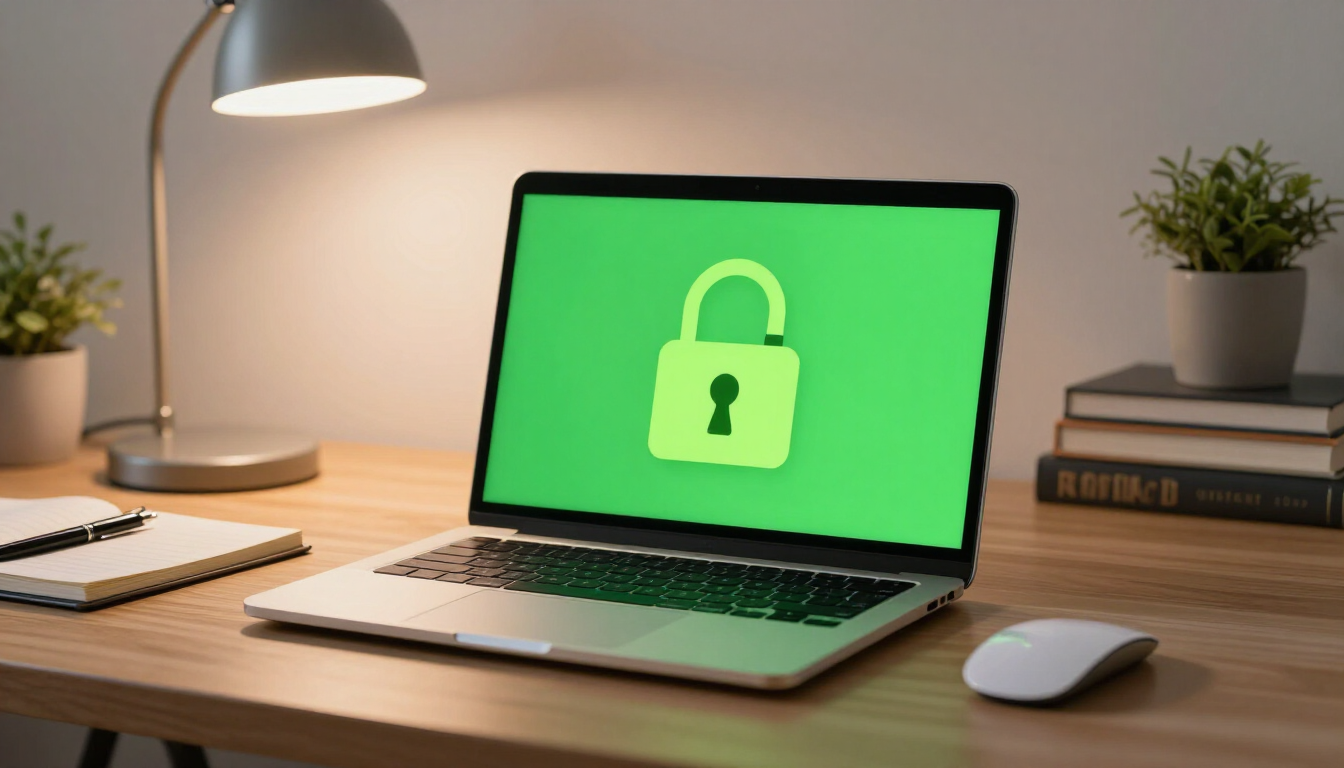
Secure Digital Environment

Essential components of a secure digital storefront

Building a secure digital storefront requires more than just a single piece of software. It is an ecosystem of protection that works in the background to ensure every interaction on your site is safe. The first layer is always the SSL certificate, which encrypts the data traveling between your visitor's computer and your server. Without this, any information entered—including passwords or payment details—can be intercepted by hackers in what is known as a "man-in-the-middle" attack.

Beyond encryption, you need a robust Web Application Firewall (WAF). Think of this as a digital security guard standing at the entrance of your website. It inspects every request coming into your site and filters out malicious traffic, such as SQL injections or Cross-Site Scripting (XSS) attempts. Furthermore, DDoS protection is vital. A Distributed Denial of Service (DDoS) attack floods your site with fake traffic to crash it. Modern secure hosting environments, like those provided in the Ecosytem of Wizzyl, include these protections as standard features.

Top security threats for small websites

  • Brute Force Attacks: Automated scripts trying thousands of password combinations per second to gain admin access.
  • Malware Infections: Malicious code injected into your site to steal data or redirect your visitors to scam sites.
  • Outdated Software: Using old versions of CMS platforms or plugins that have known, unpatched security holes.
  • Phishing: Deceptive pages designed to look like your site to trick users into providing their sensitive login credentials.
  • Insecure Hosting: Low-quality servers that lack the necessary hardware-level protections to stop sophisticated server-wide attacks.

What are the risks of using outdated plugins?

If you are using a traditional website builder or a CMS like WordPress, you are likely relying on dozens of plugins for basic features like contact forms, image galleries, or SEO tools. The risk is that every single one of these plugins is a potential entry point for a hacker. When a developer finds a security hole in their plugin, they release an update. If you don't install that update immediately, your website remains wide open to anyone who knows how to exploit that specific weakness.

For many small business owners, keeping up with these updates is a full-time job. You have to log in weekly, check for updates, and cross your fingers that the new version doesn't break your site layout. This "maintenance gap" is where most small business security breaches happen. A site that looks perfect on the front end could be riddled with vulnerabilities on the back end simply because the owner hasn't had the time to manage the technical upkeep. This is why automated website security for small businesses is becoming the new standard for modern entrepreneurs.

Wizzyl’s automated approach to small business security

At Wizzyl, we recognized that small business owners should not have to be cybersecurity experts to run a safe website. Our model is built on the philosophy that security should be invisible and automatic. Instead of charging you for separate SSL certificates, security plugins, and maintenance contracts, we build security into the very core of your site. When you join the Home of Wizzyl for R550 per month, you aren't just paying for hosting; you are paying for a managed security perimeter.

Because we build your site using our proprietary AI-powered technology and optimized web apps, we eliminate the need for bloated, insecure third-party plugins. We handle all the updates, server-level patches, and security monitoring on your behalf. There are no surprise fees or "security upgrades" required because we believe that a website that isn't secure isn't a finished product. This approach allows you to focus on growing your business while we ensure your digital storefront remains a fortress against the latest cyber threats emerging in 2026.

How does Wizzyl protect your site from data breaches?

Data breaches are one of the most significant risks facing South African businesses today. A breach doesn't just cost money in terms of recovery; it destroys the reputation you have worked years to build. Wizzyl protects your site through a combination of redundant backups and proactive threat detection. We create daily backups of your entire site, so even in the absolute worst-case scenario, we can restore your presence in minutes rather than days. This ensures your business data is never truly lost.

Furthermore, our server architecture is designed to isolate your site from others. In many cheap "shared hosting" environments, if one site on the server gets hacked, the infection can spread to every other site. Wizzyl’s infrastructure prevents this lateral movement, ensuring that your site remains unaffected by the security practices (or lack thereof) of other businesses. By combining this with high-level encryption and continuous monitoring, we provide a level of website security for small businesses that was previously only accessible to companies with massive IT budgets.

Secure Business Team

The value of managed security vs. DIY approaches

Choosing between a DIY security approach and a managed service is often a turning point for a growing business. In a DIY scenario, you are responsible for researching which firewall is best, which backup schedule is sufficient, and how to fix your site if a security update causes it to go offline. This often leads to a false sense of security where business owners think they are protected because they have a "security plugin" installed, unaware that the plugin itself might be outdated or misconfigured.

A managed approach, like the one offered by Wizzyl, shifts the burden of technical responsibility from the business owner to the experts. We treat security as a continuous process rather than a one-time setup. Our systems are constantly evolving to meet new threats, meaning your site gets stronger over time without you having to lift a finger. This not only provides peace of mind but also represents a massive cost saving. When you add up the cost of premium security plugins, SSL certificates, and the hourly rate of a web developer to fix a hacked site, the R550/month Wizzyl subscription becomes one of the most cost-effective investments a business can make.

In conclusion, website security is about much more than just stopping hackers; it is about protecting the future of your brand. By prioritizing a secure foundation, you ensure that your customers feel safe doing business with you, your data remains your own, and your business stays online to serve your community. Don't wait for a breach to happen before you take action—modernize your security today and experience a new way to own a website.

Summary of Key Security Takeaways

  • Automatic SSL and Encryption: Never let your visitors see an "Insecure Site" warning by ensuring your SSL is always active and renewed.
  • Managed Updates: Eliminate the risk of outdated software by using a platform that handles all technical maintenance and patching for you.
  • Proactive Firewall Protection: Block malicious traffic before it even reaches your site through server-side firewalls and DDoS mitigation.
  • Reliable Backup Systems: Ensure business continuity with daily automated backups that allow for instant restoration if anything goes wrong.
  • POPIA Compliance: Protect yourself legally in South Africa by using secure data handling practices that keep customer information private and safe.

Recent Posts

Wizzyl 15-day website build process graphic
August 25, 2026
Discover the Wizzyl build process. Learn how we take you from brief to live in just 15 days with no upfront fees and AI-powered SEO tech in South Africa.
A modern small business web application displayed on a laptop.
August 25, 2026
Learn what a web app is and why your small business website needs one to boost engagement, improve SEO, and drive conversions without high costs.
Comparing website solutions for South African small businesses
August 25, 2026
Compare Wix, Squarespace, and Wizzyl for South African businesses. Find an affordable website solution for SA small businesses with no upfront fees and AI-powered SEO.

Modern laptop showing website performance data on a desk.
August 25, 2026
Discover the real reasons small business websites fail in 2026. Learn why design isn't the biggest factor and how AI-powered SEO and managed services ensure growth.

Modern small business website design on a laptop and smartphone.
August 25, 2026
Discover the essential features every small business website needs in 2026 to stay competitive. Learn about AI-optimization, mobile-first design, and conversion strategies that drive real growth without high agency costs.

A frustrated business owner looking at an outdated, slow-loading website.
August 25, 2026
Is your website costing you money instead of making it? Discover 10 critical signs your website is a liability and how to transform it into a digital asset in 2026.
A modern laptop displaying a professional business website mockup.
August 25, 2026
Learn how to get a high-quality, AI-powered professional website built for your business without paying any upfront costs or signing long contracts.

Website as a Service concept illustration
August 25, 2026
Learn how Website as a Service (WaaS) helps small businesses launch high-quality sites with no upfront fees, including AI SEO and hosting.

A visual representation of modern digital website services and financial security.
August 25, 2026
Stop wasting capital on upfront website fees. Discover why the subscription-based model is the safest, most effective way for South African small businesses to grow in 2025.